
Art Therapy for Streets
Solutions for pedestrian safety, muscular dystrophy, and alcoholism

Dear Solution-eers,
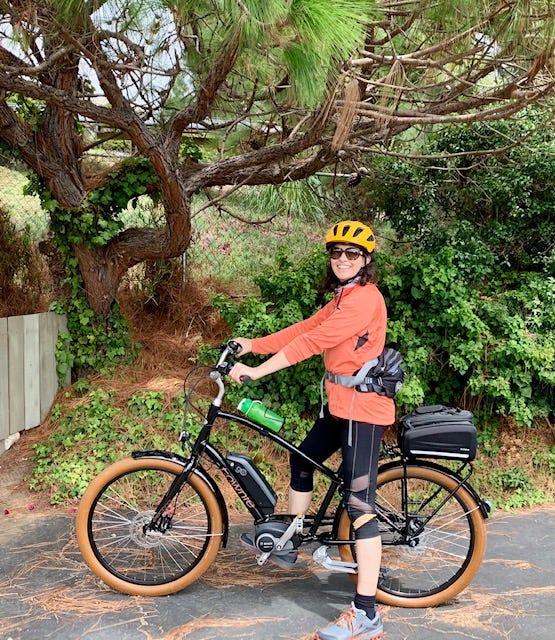
When I first moved to Los Angeles about 15 years ago, I was determined to get around by bicycle and public transportation, as I had when living in Europe and Asia. But in L.A., my friends laughed out loud when I brought home a second-hand cruiser. My best friend bought me a bright yellow warning vest so I wouldn’t be run over by a car. Initially, I was undeterred. After six months, I gave in and bought a small car.
Biking in Los Angeles was, indeed, too dangerous — hardly any bike lanes, and the existing ones ended so abruptly I often had to swerve into fast-moving traffic. SUV drivers clearly let us lowly two-wheelers know that we were at the bottom of the food chain.
I was reminded of this experience when I researched solutions to make our streets safer. For instance, I came across the story of thirteen-year-old Michael Weilert who had done everything just as his mother had taught him: He pressed the button to activate a blinking pedestrian signal at Pacific Avenue in Parkland, Washington. He waited until the first car stopped at the intersection before entering the crosswalk on his bike. Then, a young woman in a Jeep Wrangler failed to yield and struck the boy, killing him.
Here is the sad truth: Crosswalks don’t work. According to various studies, only between five and fifteen percent of drivers slow down at pedestrian crossings. The vast majority of drivers simply don’t pay attention to them.
Given their ineffectiveness, it’s surprising that city planners rely on these unassuming white stripes to keep us safe from cars — particularly since America’s streets just keep getting deadlier: 43,000 people died in traffic accidents last year, a 16-year-high and a 10.5 percent increase from 2020.
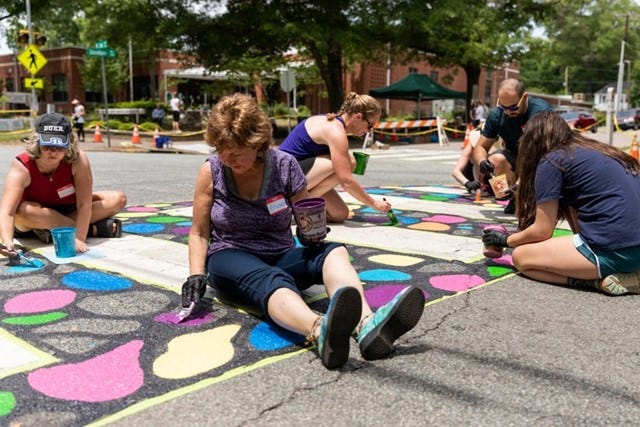
For Reasons, I wrote about colorful solutions: Art projects are surprisingly successful in increasing pedestrian safety.
For instance, in Durham, North Carolina, residents chose a high-risk crossing in front of an elementary school for a makeover. Together, they created a vibrant mosaic of dots and a blue mural with colorful fish. “Our oasis,” as the residents called it, had a surprising effect. “Potentially dangerous conflicts between drivers and pedestrians crossing the street decreased by 30 percent, and the percentage of people who felt unsafe crossing fell from 85 percent to six percent.”
Check out this and more initiatives in my story here:
https://reasonstobecheerful.world/safer-streets-painted-intersections-crosswalk-art/
2. When I visited Germany earlier this year, a family reached out to me, hoping I could raise awareness by writing about efforts to cure their son who’s been suffering from an incurable illness, muscular dystrophy. I’m usually skeptical about gene editing but I strongly feel this story is different because it is about curing an illness that knows no other solution: I spoke with Dr. Simone Spuler, a geneticist at the Charité Berlin, who was able to repair the errand gene for muscular dystrophyin her lab. I also spoke with one of her patients, Markus, as well as his parents, and the hope they put in Spuler’s efforts. Read the full story on Leaps here.
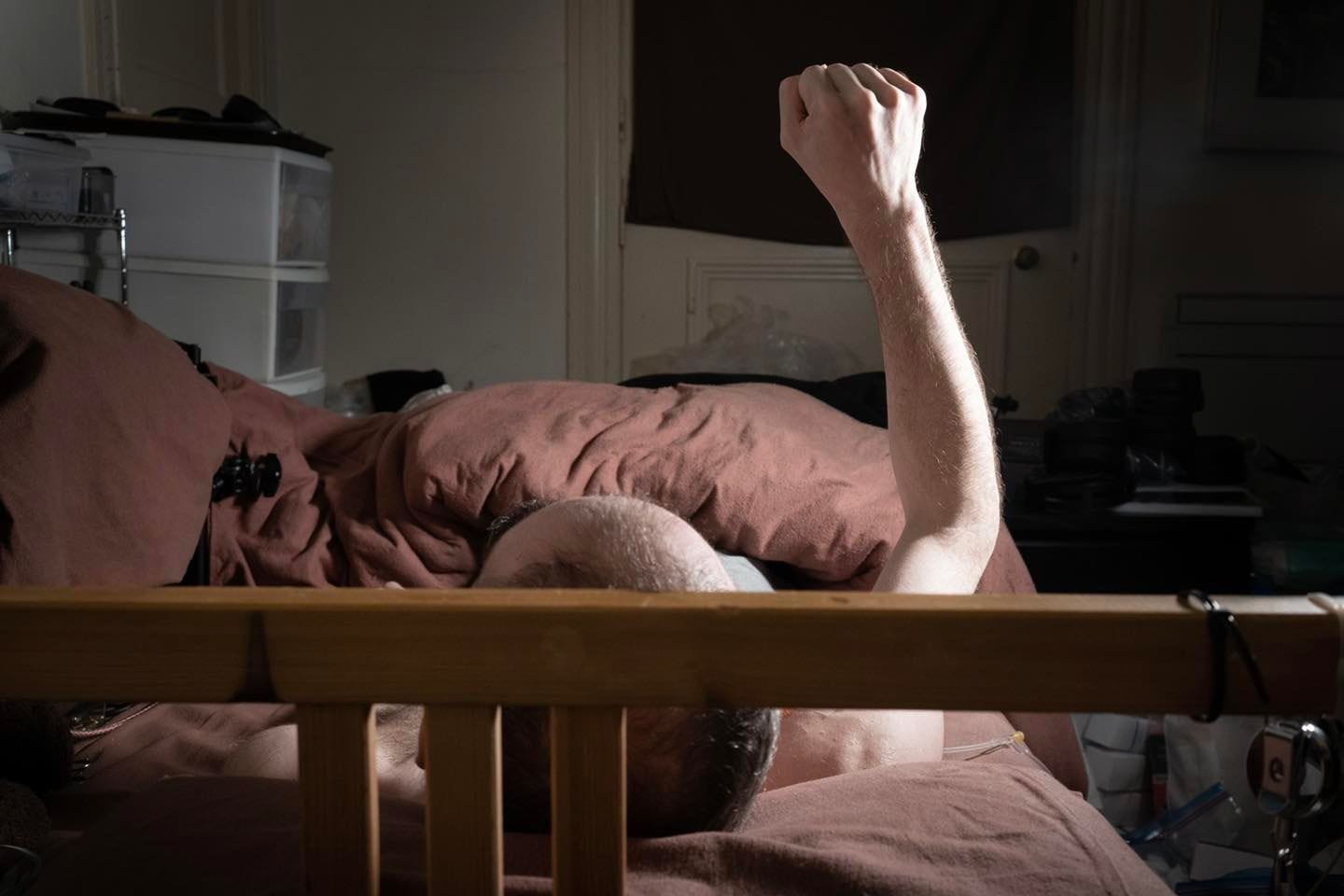
3. Remember Whitney Dafoe, the bedridden son of geneticist Ron Davis I wrote about two years ago? (If you haven’t read it, check it out here.) Well, he’s feeling a tad better and just won a photography contest, documenting his illness:
4. And lastly, in my April newsletter I shared my research about how psilocybin helps with alcohol addiction. A new study, just published in JAMA Psychiatry, found "robust decreases" in heavy drinking by adults diagnosed with alcohol dependence.
I hope you’re enjoying these updates and the last days of summer!
Cheerfully,
Michaela
P.S. This newsletter is free but if you appreciate the work that goes into it and want to make it possible for me to continue writing it, please consider signing up for the paid subscription. Thank you!