
Could you learn to be happier?
Why more schools and universities are rolling out mental health programs

Dear Solution-eers,
Did you hear about the latest Youth Survey from the CDC? More than a third of US students reported in 2021 that they experienced poor mental health during the Covid pandemic, and 44 percent described themselves as persistently sad or hopeless. Across the US, girls are particularly at risk: 60 percent of female students experienced persistent feelings of sadness or hopelessness in 2021, and nearly 25 percent had made a suicide plan. Even before the pandemic, mental health was getting worse among high school students, according to prior CDC data. The CDC called this a “cry for help.”
Several schools and universities are responding to the mental health crisis by implementing stress-relief and mental wellbeing programs. “Because children, parents and teachers had just been through the pandemic, we were kicking in open doors,” says Tobias Rahm who leads the elementary school happiness project at TU Braunschweig. “They all immediately recognized the social benefits at this particular time.”
What is happiness? Can and should it be taught at school?
Read more about the project in Reasons to be Cheerful:
Alongside Math and Reading, Schools Are Now Teaching Happiness
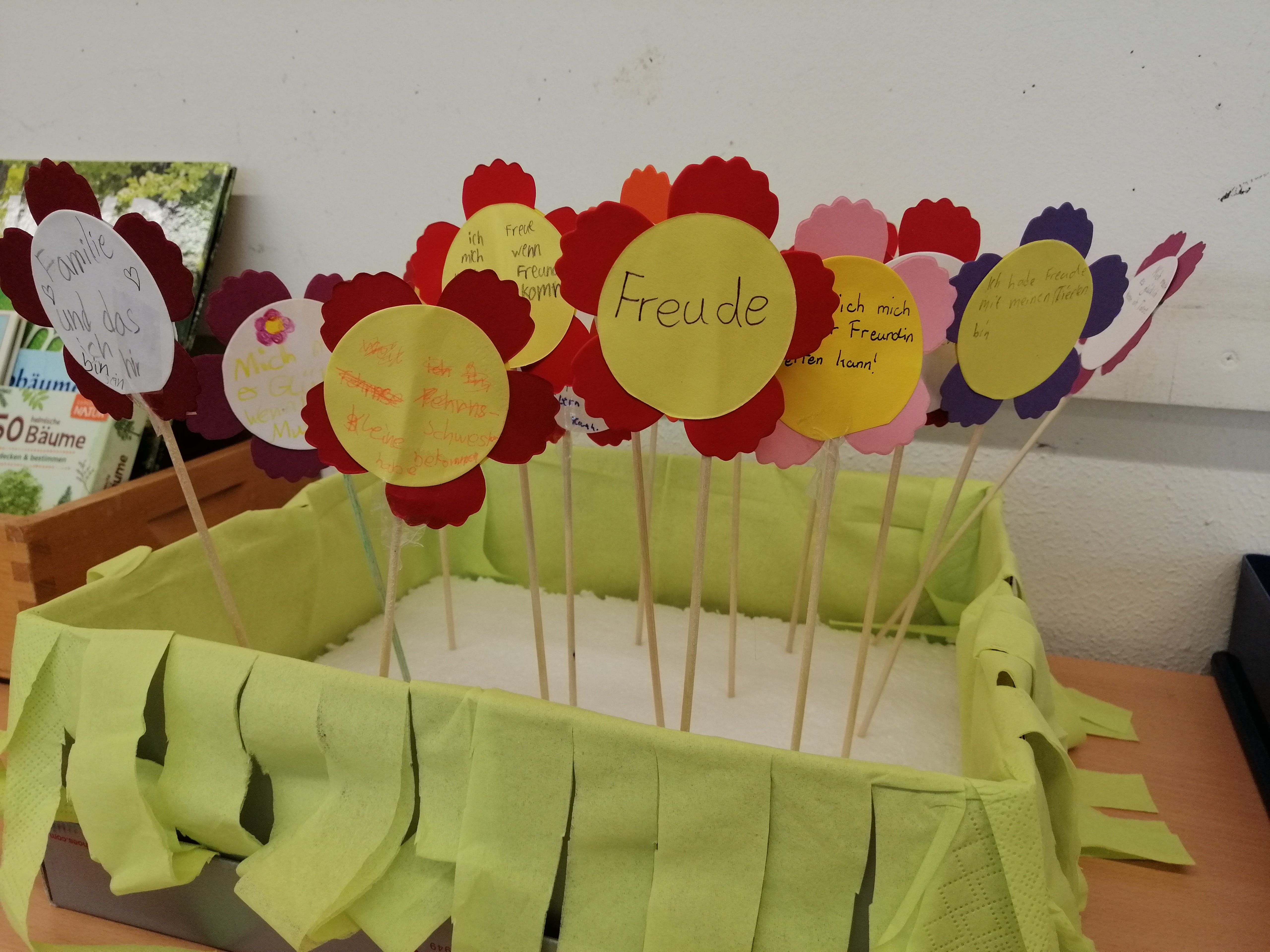
The studies about these projects are encouraging: Young participants report they found increased wellbeing and self-confidence. Teachers note less conflict in school, and the students say they learn more easily.
I found it encouraging to learn that several elements of the happiness, mental strength, and resilience exercises were the same I had described in Bouncing Forward: The Art & Science of Cultivating Resilience, for instance the gratitude exercise to note three things we’re grateful for every day. I know these strategies work because I have researched and implemented them.
A recent 30-minute online training involving more than 4,000 students at the University of Texas seemed to have shown a particularly robust response. Based on Stanford psychologist Carol Dweck’s research of the “growth mindset,” it encouraged students to view stress as an opportunity for growth and guides them in finding confidence. Behind the growth mindset is the belief that the ability to learn is not fixed, that we can expand it through effort, effective strategies and support from others.
Confronted with a stressful situation — the students had to give an impromptu presentation about their personal strengths and weaknesses in front of peers who had been trained to create an unsupportive reception — the participants stayed more relaxed after completing the training. Even nine months later, participants reported less anxiety than the control group and they were 14 percent more successful in finishing their academic year.
Speaking with the authors of the “Happiness Curriculum” made me think back to my school years. To be honest, I wish we had an outlet for stress or even the space and tools to talk about stressful situations.
Do you wish you had learned tools to deal with stressors and conflict at school? What should be included in the curriculum?
Please let me know in the comments!
Cheerfully,
Michaela