Turning Harm Into Hope
A nationwide movement breaks guns to grow healing

Dear Solution-aries,
When we talk about healthy solutions, it’s easy to think first of mental health, cholesterol levels or diabetes. But gun violence is a health issue, too — a massive one that affects families, communities and the systems meant to keep us safe.
This month there’s real reason for optimism: Gun Violence Is Falling
New analysis from The Trace’s Gun Violence Data Hub shows that shootings are declining in more than three-quarters of the U.S. cities with the highest rates of gun violence. Even better, over half of those cities are seeing declines steeper than last year’s — a year that already set records for the largest drops in gun homicides.
This encouraging trend is happening across the country, in cities of all political stripes, in every region. Experts emphasize that the credit belongs to people: teachers, counselors, after-school program staff, coaches, outreach workers and violence interrupters who show up every day to support young people and defuse conflict before it turns deadly.
Reporting on Solutions That Work
I’ve spent years covering community-driven approaches to gun violence, including how my own upbringing in rural Germany shaped the way I understand firearms and responsibility: What Growing Up in Rural Germany Taught Me About Guns
I’ve also reported on Donna’s Law, a voluntary safeguard that lets people in emotional crisis prohibit themselves from purchasing a firearm — an evidence-backed policy already in place in Utah, Virginia and Washington. Many more states could adopt it especially since the suicide crisis continues: Gun suicide accounts for nearly 58 percent of all gun deaths in the United States, according to the Johns Hopkins Bloomberg School of Public Health, and in 2024 reached a record high of nearly 27,600 deaths.
Read the full story here: The Voluntary Gun Law Preventing Suicides
RAWtools — Breaking Guns, Growing Healing
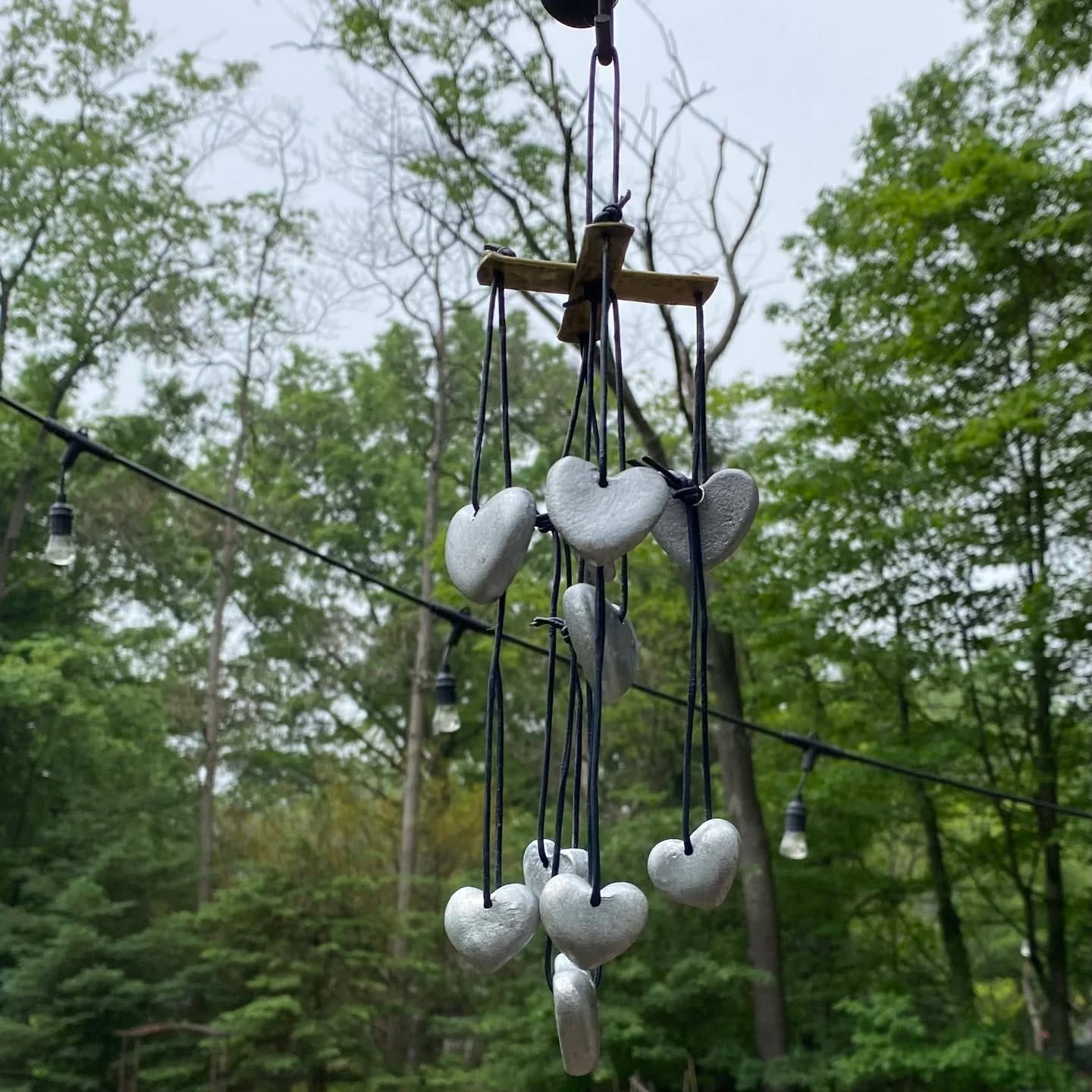
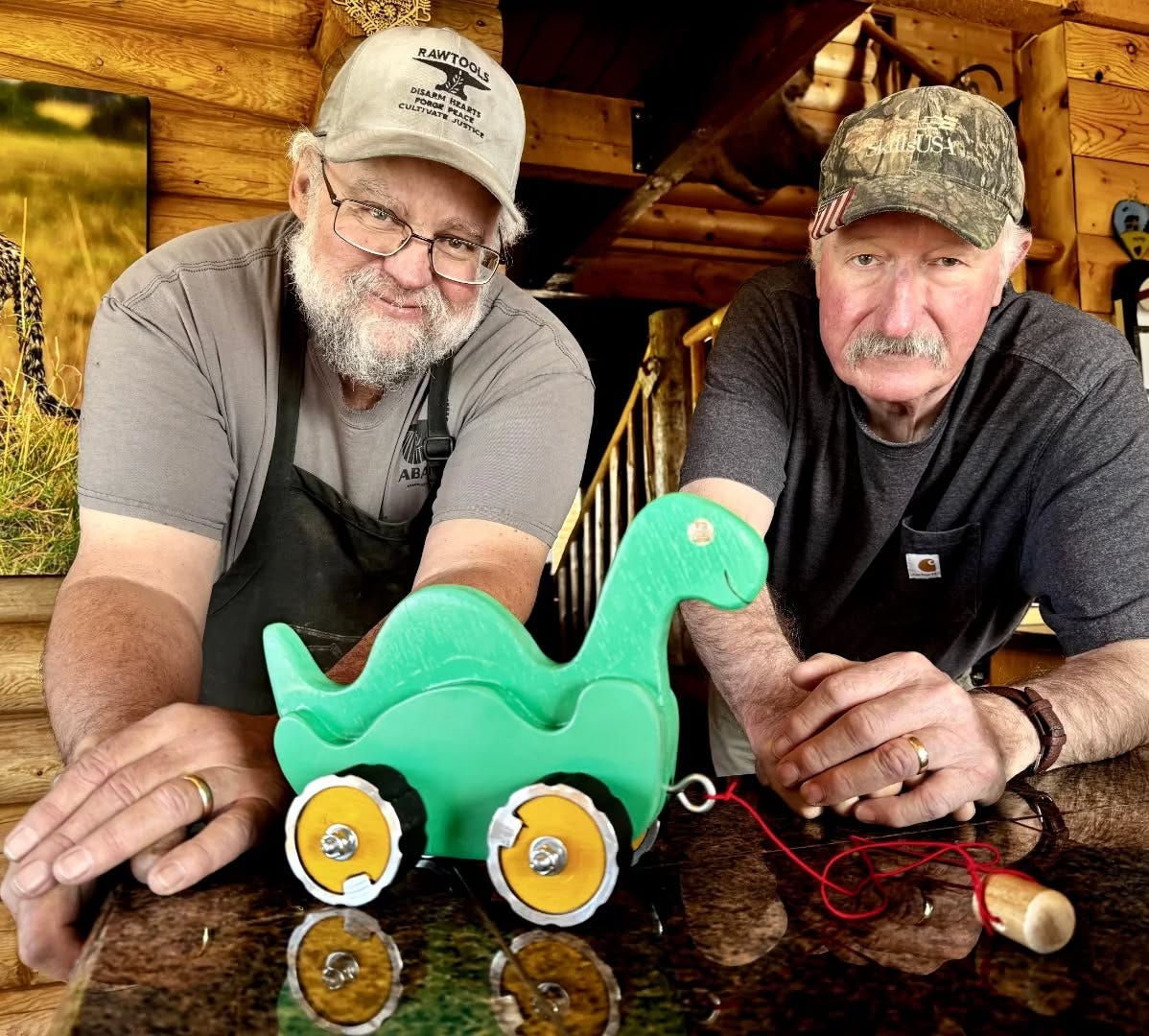
My latest reporting looks at RAWtools (war spelled backward), a growing grassroots network that transforms surrendered weapons into garden tools — a literal reshaping of harm into hope.
For founder Mike Martin, the physical act of destroying a gun can be healing, but often it’s just the beginning of a bigger conversation. “The dominant culture often tells us that we can’t escape the violence, so we should therefore join the violence,” he says. “Instead, this counter-story of turning swords into plows insists that violence is the problem, not the solution.
Read the full story here: Nationwide Movement Turning Guns Into Garden Tools
His work is not about demonizing gun owners, but “about saving lives and working with everyone who is committed to that.” RAWtools regularly holds events, especially in front of churches and synagogues, not only to collect and transform guns, but to start conversations, “listening and hearing from local folks impacted by gun violence.” Families who donate heirloom firearms can have them turned into multiple tools — keepsakes that honor the family member without perpetuating the weapon’s violent potential. “The hard thing about transforming a life, like transforming metal, is that it requires work, sweat, heat and constant attention,” Martin says.
At least once a month, someone who has lost a loved one to suicide reaches out to RAWtools. By repurposing a symbol of loss into a tool that nurtures life, RAWtools offers survivors a small but meaningful step toward healing — and a reminder that transformation is possible, even in the face of profound grief.
The decline in gun violence, the spread of voluntary safeguards and the rise of organizations like RAWtools all point to a powerful truth: progress is possible when communities refuse to give up on one another.
Healthy solutions aren’t just medical interventions — they’re acts of connection, creativity and care. And across the country, people are proving that even the most entrenched public health crisis can be met with compassion and ingenuity.
I hope you’re enjoying safe, happy holidays!
Michaela