
You are a bestseller
The Human Library, Be My Eyes, and an interview about Buddhist women

Dear Solutioneers,
This month, my favorite story is about visiting the “Human Library.” It’s a library where you can borrow humans instead of books. Though it’s now active in 80 countries, with branches in Texas and Tokyo, Bangladesh and Berlin, I had never heard of it before signing up for my first reading. Every reader who visits, virtually or in-person, chooses two or three topics that interest them: rugby, depression, refugees, sex work, cancer, grief. The choices are nearly endless. “There is a great book hidden in all of us, and most of us would be bestsellers,” founder and library director Ronni Abergel believes. “Take the bodybuilder, the Roma, the Muslim, the Jew, the hippie, the street artist… Everybody has a unique story.”
To be honest, I was skeptical. As a reporter, I speak with fascinating people almost every day. But right away, my first human book was a page-turner: Alma Faham, a warm, witty architect and abstract artist who lives in Connecticut. Born in Kuwait to a Syrian father and a Jordanian mother, Faham moved to Syria during the first Gulf War, then to Greece. It was hard to choose which aspect of her life was the most fascinating: her expressive art, her religion, her world travels. She answered all of my questions without hesitation, including about her personal reasons for participating in the library. “The problem was always the pre-judgment,” she shares. “Once you say you’re from the Middle East, people put you in a certain category. The sad part is that I am considered a foreigner in my own hometown because I have lived elsewhere for so long.”
I also think the Human Libraries offer a safe, approachable framework for those of us finding our way back to in-person social interaction. “We don’t talk to each other anymore,” Abergel says. “My vision is that one day we don’t need the library anymore because we have the courage again to talk to the people around us. But in our daily grind, we don’t have the time and opportunity.”
Check it out here, and let me know which human “books” you would like to read.
https://reasonstobecheerful.world/human-library-borrow-person-locations/
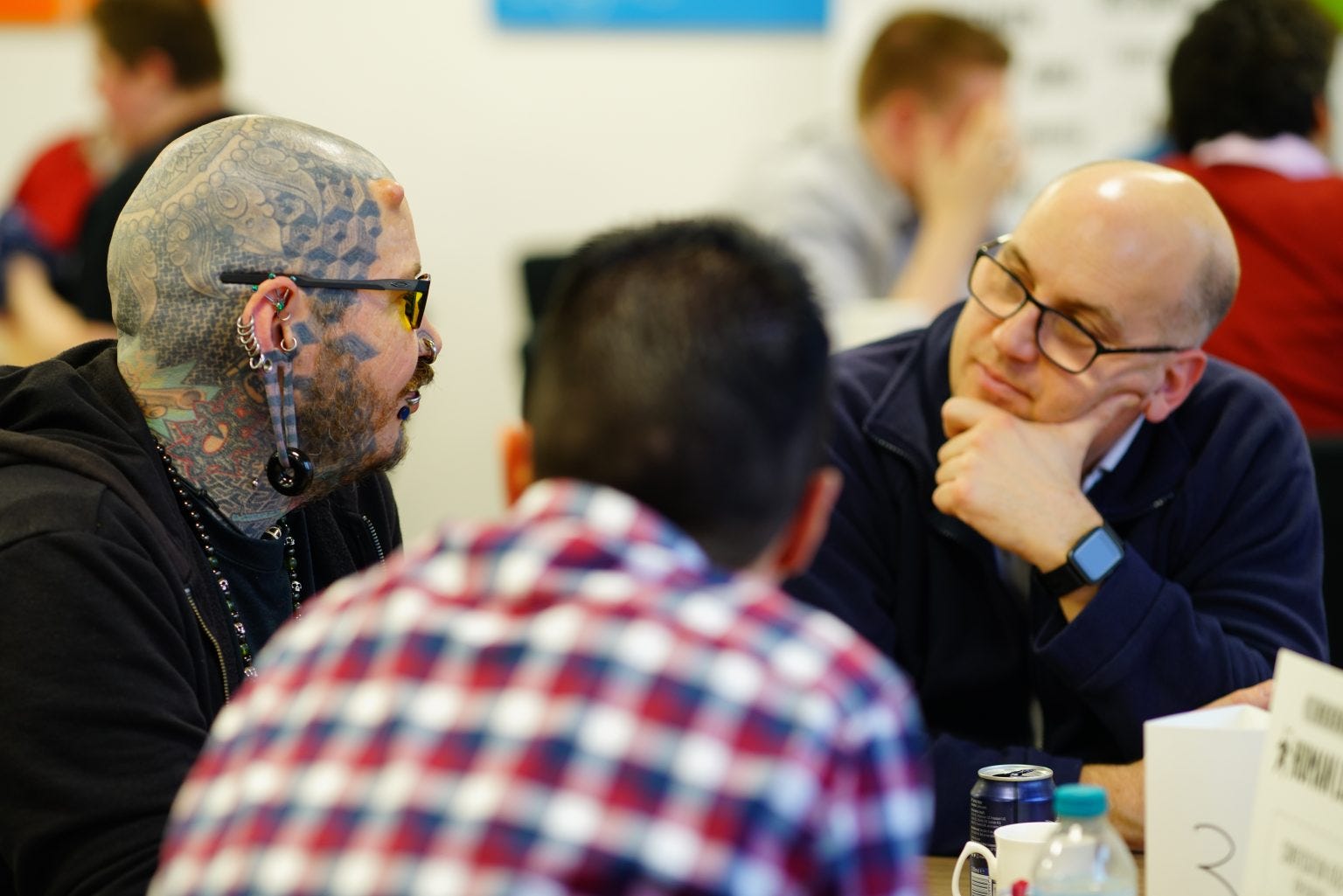
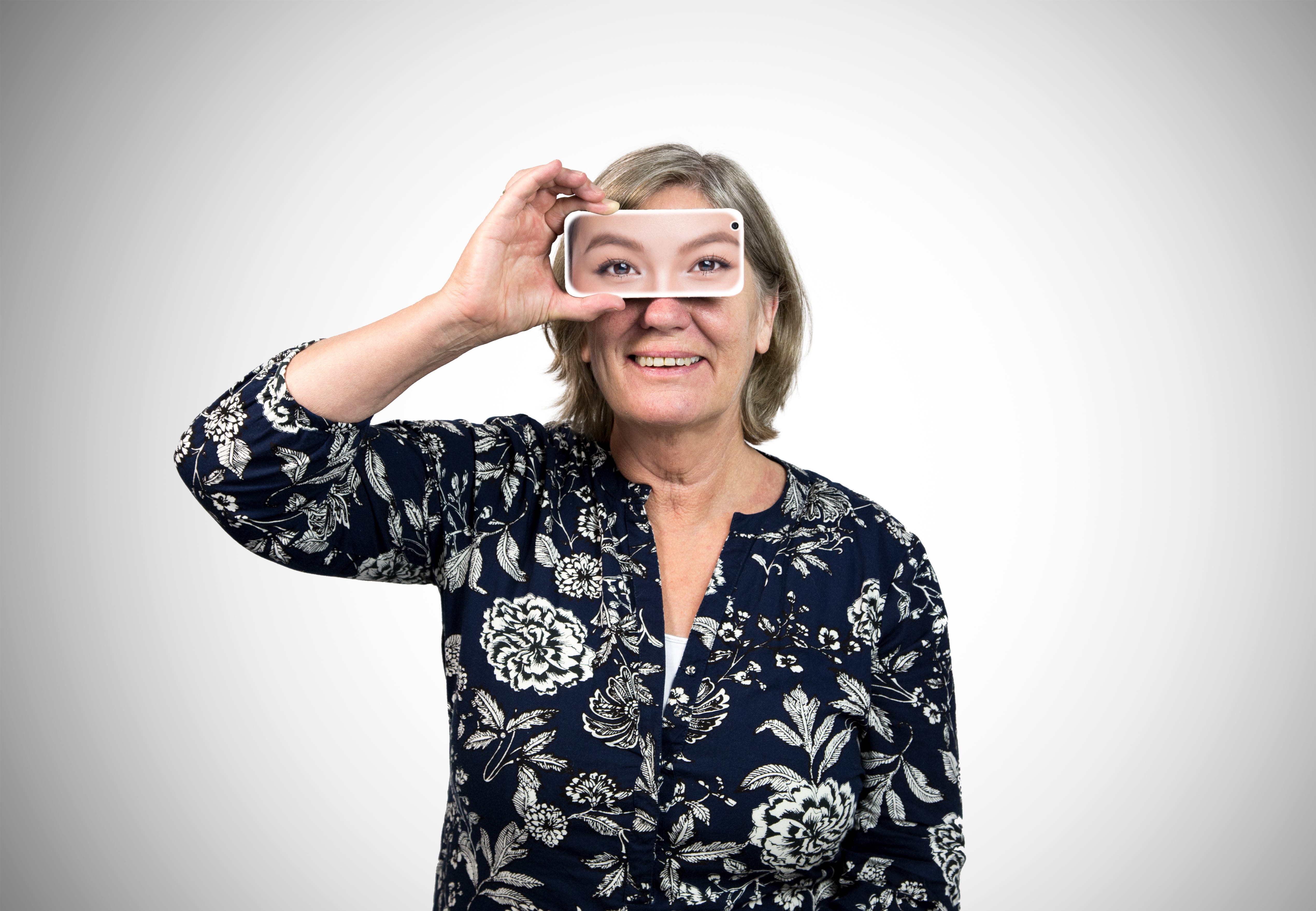
My second favorite story this month is about Be My Eyes, an app that lets you “lend” your eyes to a visually impaired person. I signed up a few months ago, drawn in by the many enthusiastic comments.
It’s hard to tell who benefits more from Be My Eyes, the clients or the volunteers. “Two people connect, and often they talk about a lot more than just what’s in the fridge,” Butler says. He half-jokingly calls Be My Eyes “the only true social interaction platform.” After all, the app sometimes offers a very intimate glance into someone’s kitchen or closet.
https://reasonstobecheerful.world/be-my-eyes-app-visually-impaired/
I was interviewed by the @AP about women in Buddhism and my research for Dakini Power. Read it here: Buddhist female monastics or “bhikkhunis,” lay persons and academics have challenged longstanding patriarchal traditions.
https://www.wfmj.com/story/45413405/in-buddhism-women-blaze-a-path-but-strive-for-gender-equity
A Thorn to protect children
And lastly, since I’m probably not the only one who spends an enormous amount of time on the internet, I want to alert you to a topic that is challenging but could hardly be more important: The non-profit Thorn, originally founded by Ashton Kutcher and Demi Moore, that is focusing on identifying and rescuing children whose abuse has been shared online. I spoke with CEO Julie Cordua who says more than 17,000 children have been identified in the last five years with the help of Thorn’s software, which is now being used in 55 countries. It’s named Thorn, because “Just like thorns protect a rose, and the roses here are our children and their future.” I understand if you find this topic challenging. I do, too, and yet it is one we too often look away from. About 80 million cases have been reported last year, and we need a solution.
https://reasonstobecheerful.world/thorn-software-fighting-online-child-abuse/
What else I’m reading:
A thoughtful analysis in the New York Times about the potential progress that could be the result of the pandemic (aka posttraumatic growth): Could Covid Lead to Progress? https://nyti.ms/3xb62TI
And a stunning profile of Alenka Artnik, the world’s greatest female freediver whose record-breaking accomplishment stems from two sources: talent and trauma.
How one woman emerged from mental health struggles to push the limits of the human body. Read this unfathomable story of posttraumatic growth here: The Depths She’ll Reach
https://onjustonebreath.com/
Thank you for supporting my work, and for doing your part to make this world a better place.
Cheerfully,
Michaela
Thank you ❤